Drywall installation + repair

Drywall Repair Houston

Drywall installation, repair, texture matching and popcorn ceiling removal for Houston homes after leaks, storms, freezes and everyday damage.

Drywall damage is usually telling you something

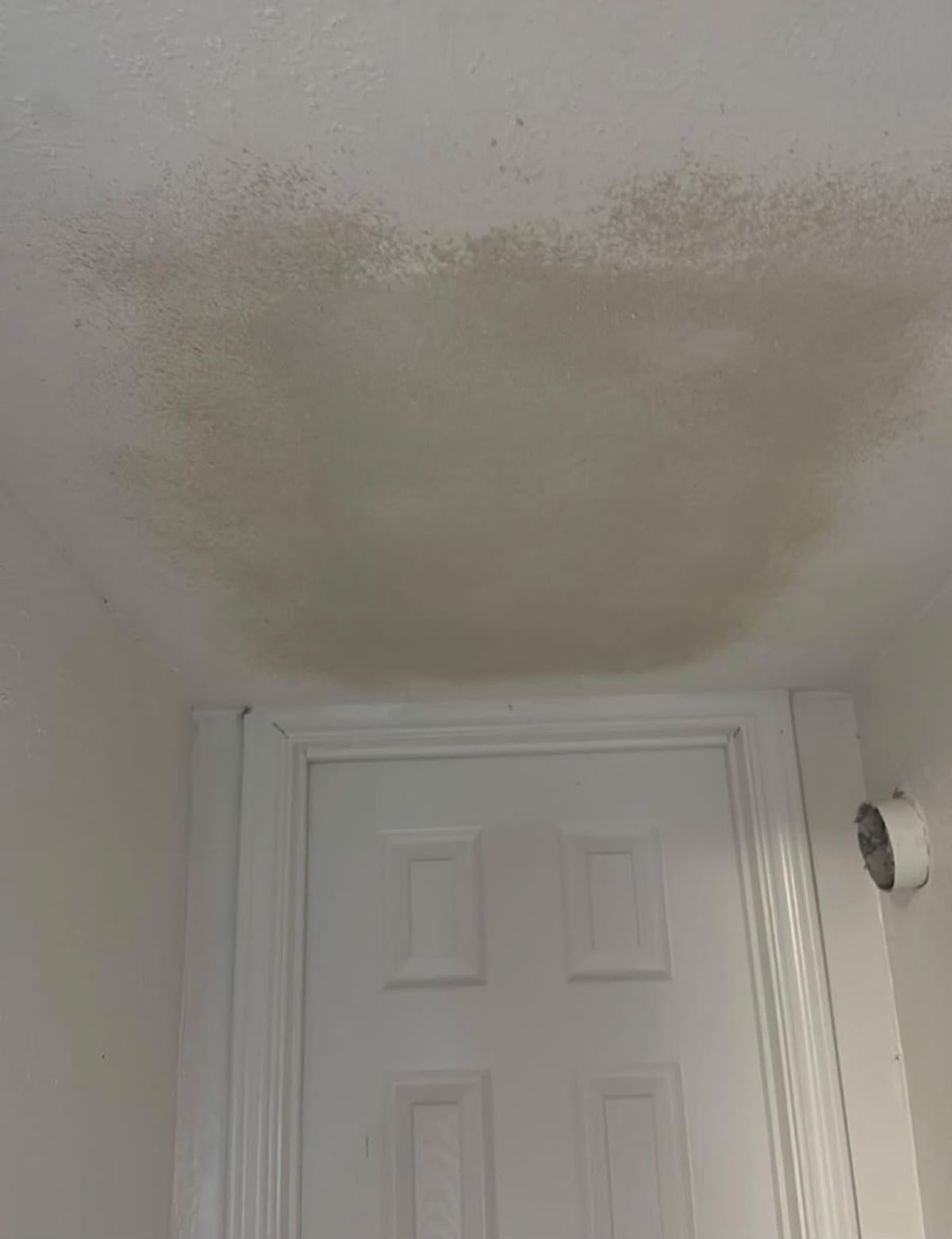
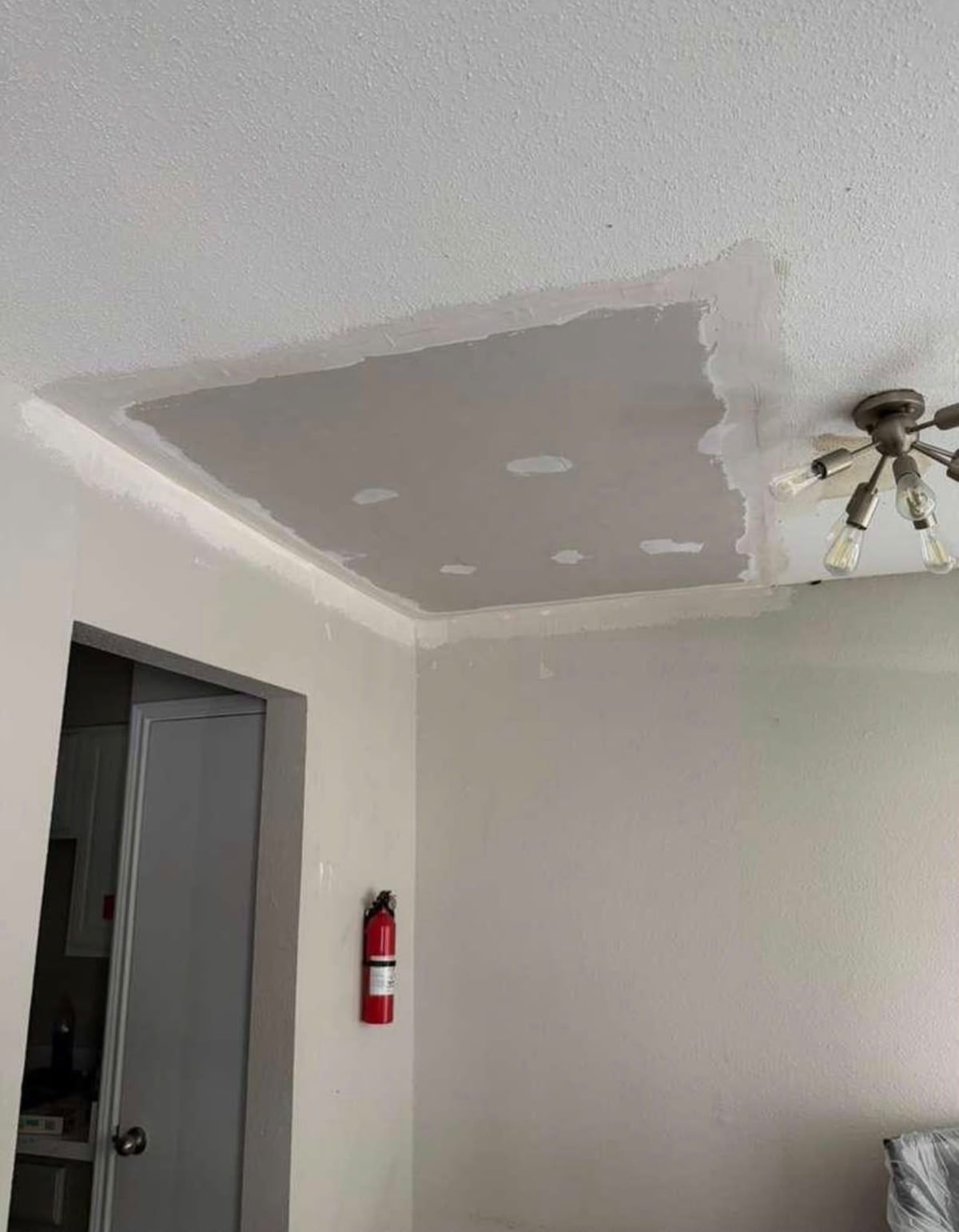
A soft ceiling, a brown ring, a joint that keeps opening, or cracks that run from a door corner are not all the same repair. Houston homes see roof leaks, air-conditioning drain problems, burst pipes after freezes, storm-driven water and movement from slab settlement. Before closing the wall, the first job is understanding why it failed.

OilerBilt handles drywall installation and repair across Houston and southwest Harris County. That includes small impact holes, ceiling patches, larger cutouts after plumbing access, water-damaged sections, texture work and complete board installation as part of a remodel. The goal is a sound repair that is ready for paint, not a quick smear over a problem that is still active.

Water and storm damage

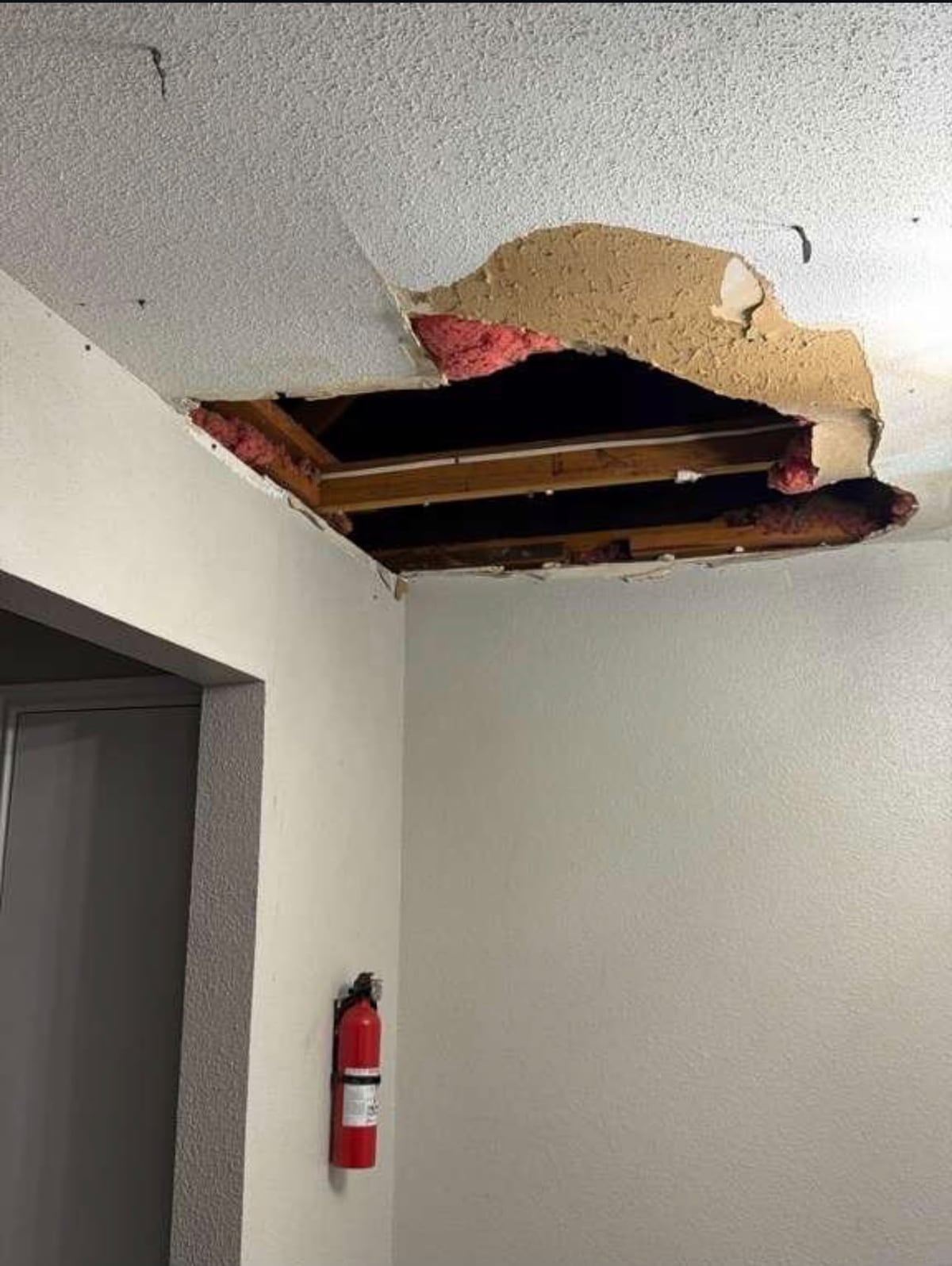
Drywall that has absorbed water can lose strength, sag and trap moisture against insulation or framing. The leak must be stopped first. Then the affected area can be opened as needed, damaged material removed, and the cavity allowed to dry. Covering damp material is faster on day one and expensive later.

Houston’s hurricane season creates sudden demand for interior repairs. We recommend documenting damage before demolition when an insurance claim may be involved. OilerBilt does not promise claim coverage or act as an adjuster; the work scope should match the actual condition found after safe access is available.

Freeze-damage interior rebuilds

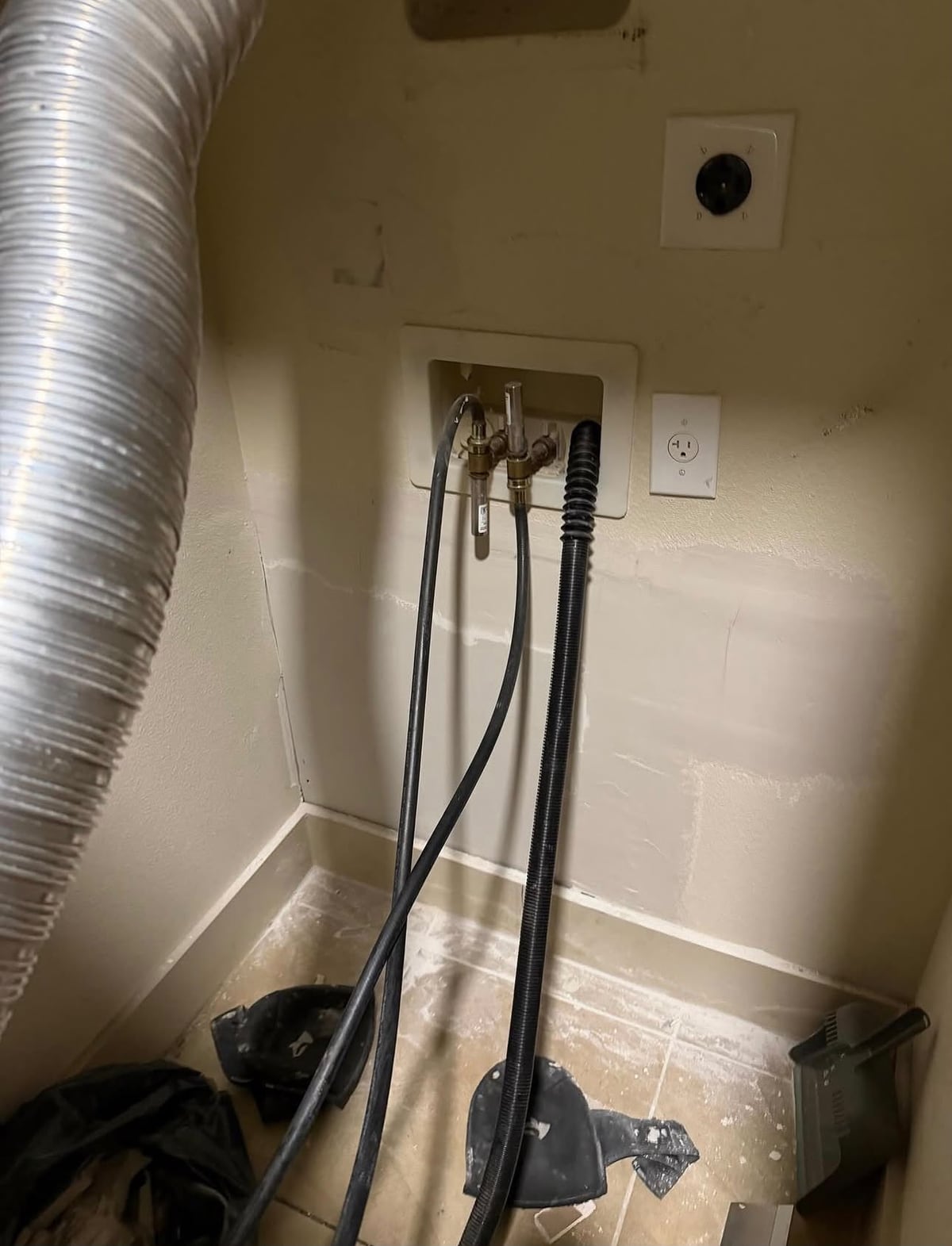
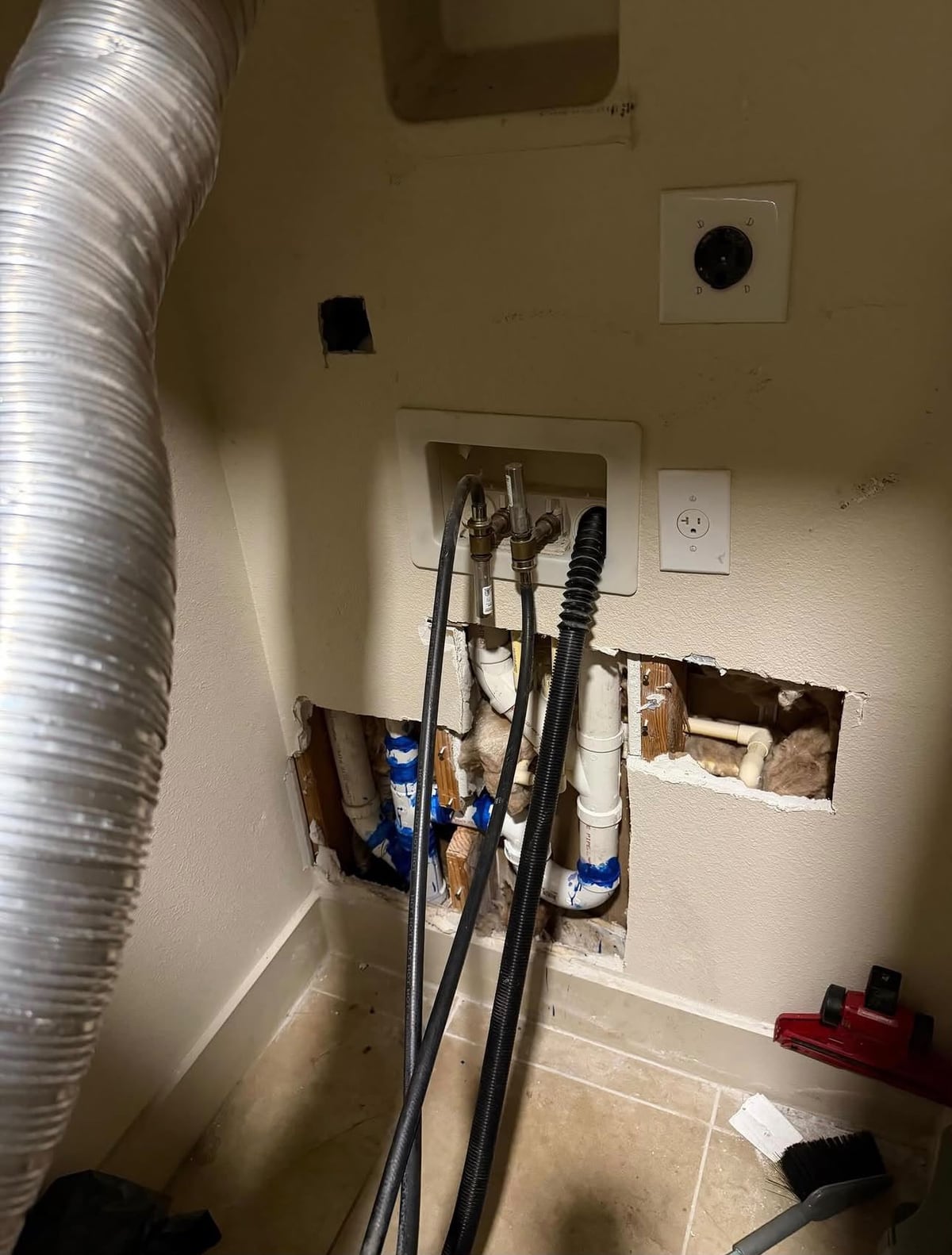
When a pipe bursts, the plumbing repair is only the first half of the job. Wet ceilings and walls may need removal, drying, new drywall, tape, finish, texture and paint. Access holes made by plumbers can also require careful backing and blending. We can review the interior rebuild once the line is repaired and the area is dry.

Popcorn ceiling removal in Houston

Popcorn texture is common in Houston-area houses built from the 1960s through the 1980s. Removal is more than scraping. Painted texture can be difficult to release, old repairs may show once the surface is bare, and the ceiling normally needs skim work, sanding, primer and paint. Unknown older materials should be handled honestly; testing may be appropriate before disturbance.

Cracks and slab movement

Drywall cracks can come from normal movement, poor previous finishing or foundation movement. A cosmetic patch cannot stabilize a slab. When a crack is active, unusually wide, paired with sticking doors or accompanied by exterior masonry movement, a homeowner may need the underlying condition evaluated before finish work. Once movement is addressed, the repair can be opened, reinforced where appropriate, finished and blended.

City permits and unincorporated Harris County

Simple finish repair usually differs from work that changes plumbing, electrical systems or structural framing. Requirements also differ between the City of Houston and unincorporated Harris County. We confirm the project address and scope before saying whether a permit is involved; broad internet answers are not a substitute for the authority with jurisdiction.
Scope

What’s included

✓ Water- and storm-damaged drywall removal and replacement
✓ Burst-pipe and freeze-damage interior rebuilds
✓ Crack, hole and joint repair
✓ Texture matching and finish preparation
✓ Popcorn ceiling removal
✓ New drywall hanging, taping and finishing
✓ Paint-ready wall and ceiling repair
✓ Residential and commercial work

From estimate to walkthrough

A process you can follow

Initial call

We ask what you want changed, what is damaged and where the project is located.

Site review

We inspect access and existing conditions, including anything that may be hidden behind finishes.

Scope + choices

We define the work and identify material or layout decisions needed before work begins.

Work + cleanup

The project moves through preparation, installation and finish work with cleanup built in.

Walkthrough

We review the completed scope together and note anything that still needs attention.

Project photos

Real OilerBilt work.

Work-in-progress photos show what happens behind the finish, where important repair decisions are made.

Estimate variables

What affects project cost

No two existing spaces open up the same way. We do not publish a made-up price range before seeing the job. These are the factors that most often change the scope:

Size and number of damaged areas
Whether insulation or framing is wet or damaged
Ceiling height and access
Texture type and the size of the blend area
Containment, furniture protection and debris removal
Whether painting is included after the repair

Common questions

Before you schedule

Can you repair drywall after a roof or plumbing leak?

Yes, after the source of the water is stopped. Wet material may need to be removed so the cavity can dry before new board and finish go back.

Can you match an existing wall texture?

Texture can usually be blended, but age, paint buildup and lighting affect how invisible a patch looks. We review the blend area before work starts.

Do you remove popcorn ceilings?

Yes. The scope depends on ceiling condition, prior paint and whether testing is appropriate before disturbance. We do not guess about unknown materials.

How long does a drywall repair take?

Small repairs may move quickly, while larger or wet areas need drying time and multiple finish coats. The site review gives a more useful answer.

Can we stay in the house?

Often yes. Dust containment and room access matter. For larger demolition or moisture work, we discuss which rooms should stay closed.

Do you paint the repaired area?

Painting can be included. A full wall or ceiling coat often blends better than touching up an older finish.

Working in an occupied Houston property

Most remodeling happens while somebody still lives or works in the building. Before the start date, we identify the route into the work area, where tools and material can be staged, which rooms need protection, and when water or power could be interrupted. Pets, children, customer traffic and home-office schedules belong in that conversation. Containment reduces dust, but it does not make demolition silent or erase every inconvenience.

Material decisions also need a cutoff. A late change to tile, paint, fixtures or layout can affect lead time, preparation and work already completed. When the requested scope changes, the added or removed work should be described before it proceeds. The same applies to a concealed condition discovered after a wall, cabinet or finish comes out. We pause at the affected area, show what is visible and discuss the practical options rather than quietly covering it or surprising the customer at closeout.

Cleanup, punch lists and warranty questions

Daily cleanup and final cleanup are different. During active work, the goal is to keep paths usable, control debris and leave the work zone in a reasonable condition for the stage of construction. Final cleanup follows the last sanding, coating or installation work. The estimate should make clear what protection, hauling and disposal are included, especially when access is tight or heavy material must move through an occupied space.

A final walkthrough checks the agreed scope at normal viewing distance and under the room’s typical light. Touchups and incomplete items go on a punch list with a clear path to completion. Warranty language is not published on this site because it has not yet been confirmed by the client. Ask about the warranty that applies to the specific work and materials in your estimate; manufacturer coverage and contractor workmanship coverage are not automatically the same thing.

Houston weather can affect schedules. Exterior coatings, stone work and any repair that depends on dry conditions should not be forced through a rain or humidity window simply to protect a date. Interior work after a leak also needs the cavity to be dry before it closes. A realistic schedule accounts for those conditions, required inspections and material availability instead of promising a finish date before the project has been seen.

Next step

Show us the space.

Send a short description and a photo if you have one. We’ll follow up about the location, project scope and a time to take a closer look.

By submitting this form, you agree that OilerBilt may contact you about your project as described in our Privacy Policy.

Call for a free estimate